Columbia Law School

Plaintiff Deborah Roberts, a visual artist known for her mixed-media collages depicting Black children and adolescents, brought suit against defendants Richard Beavers Gallery, Richard Beavers, and Lynthia Edwards, alleging copyright infringement and trade dress infringement after Beavers arranged for Edwards to produce and sell collages that Roberts claims closely mimicked her work. The Eastern District of New York granted in part and denied in part the Beavers Gallery defendants’ motion to dismiss, holding that Roberts plausibly alleged copyright infringement as to six of the Gallery Collages at issue. The case was settled, and the terms of the settlement have not been disclosed.
Plaintiff Deborah Roberts is an American visual artist whose collages are held in the collections of major museums across the United States. In April 2020, defendant Richard Beavers, a Brooklyn gallerist, approached Roberts about representing her work; Roberts declined. Beavers subsequently arranged for defendant Lynthia Edwards to abandon her prior artistic practice and create collages (the “Beavers Gallery Collages”). Beginning in June 2020, Beavers and the Richard Beavers Gallery publicly displayed and sold the Beavers Gallery Collages to hotel chains as well as the same high-profile art fairs where Roberts promoted her own work.
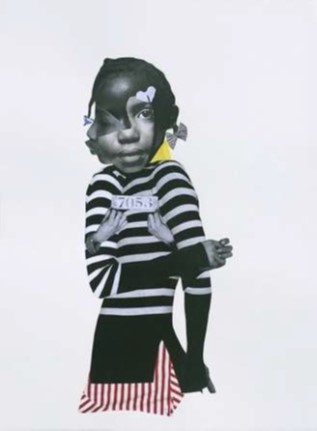
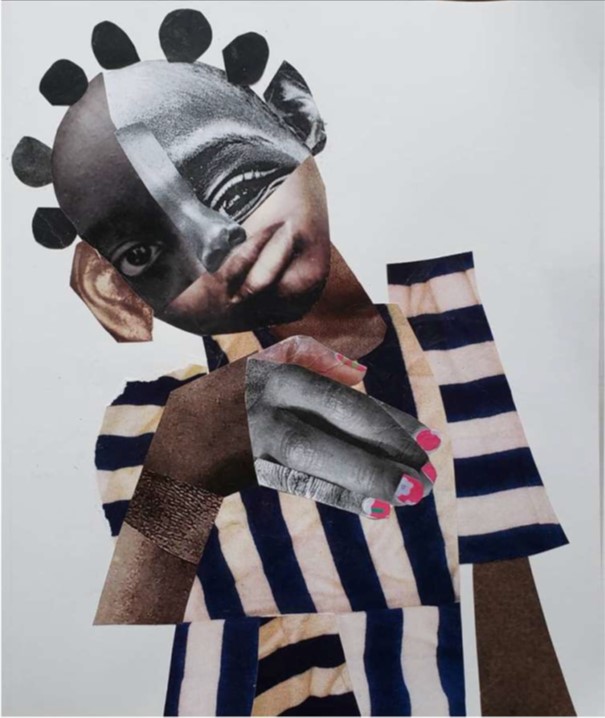
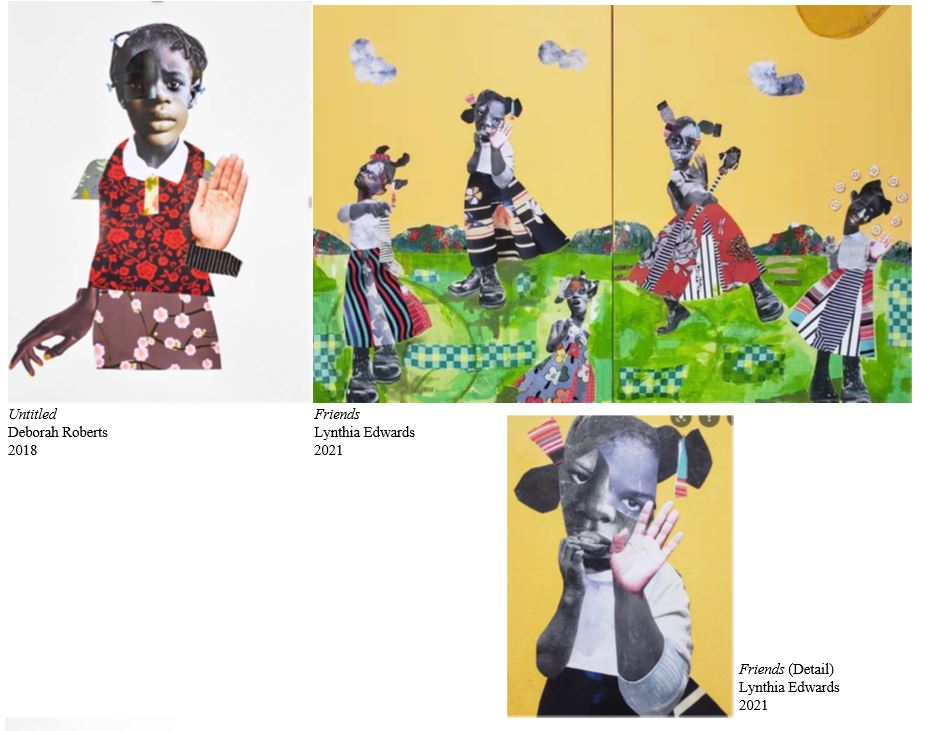
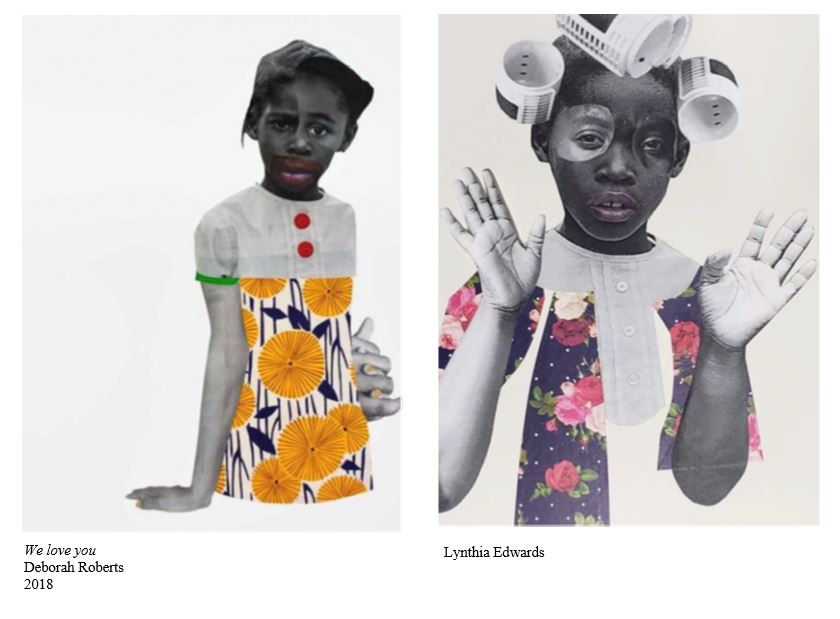
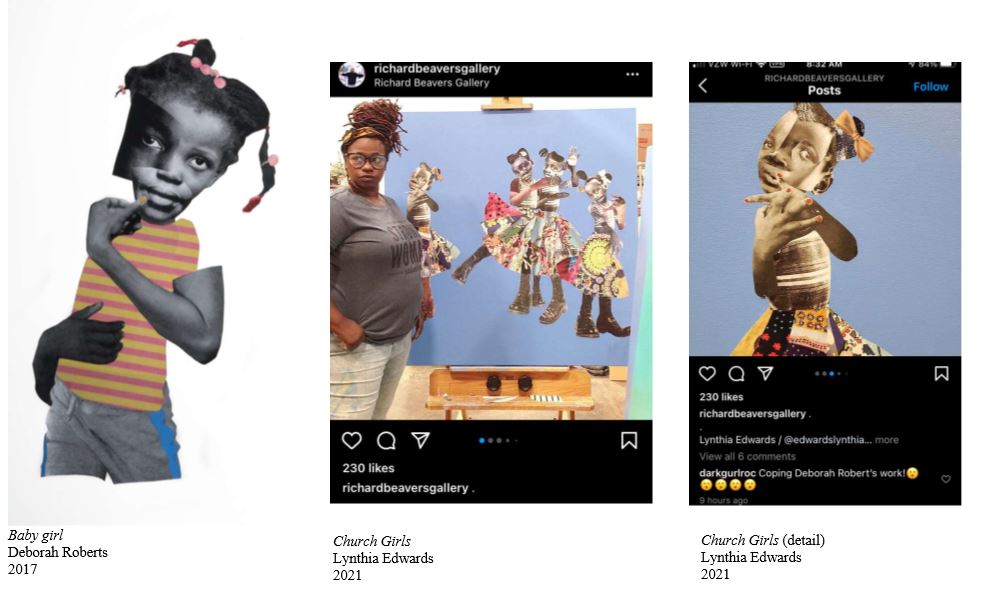
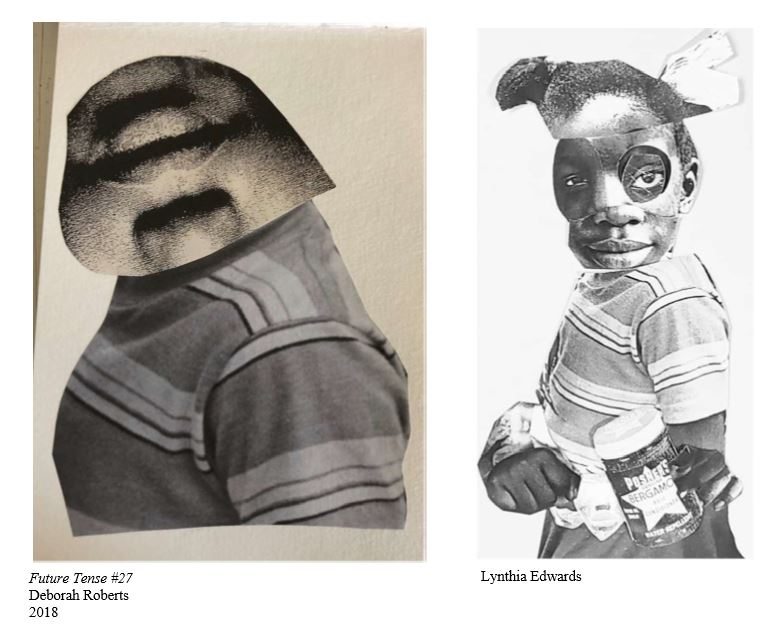
Roberts brought copyright infringement claims, alongside other claims, against Richard Beavers Gallery, Richard Beavers, and Lynthia Edwards (together, the “Beavers Gallery defendants”), who filed a motion to dismiss. The district court granted and denied in part the motion to dismiss on the copyright claims, finding six of the images at issue survived dismissal. While the district court found that many individual elements of Roberts’s collages, including her use of Black children as subjects, plain backgrounds, and third-party photographic source material, were not protectable; the district court nonetheless found that Roberts plausibly alleged that her collages, viewed in their entirety, contained protectable expression, specifically their “angular and unnatural” assemblages of photographic fragments and the “distinctive overall visual impression” they created.
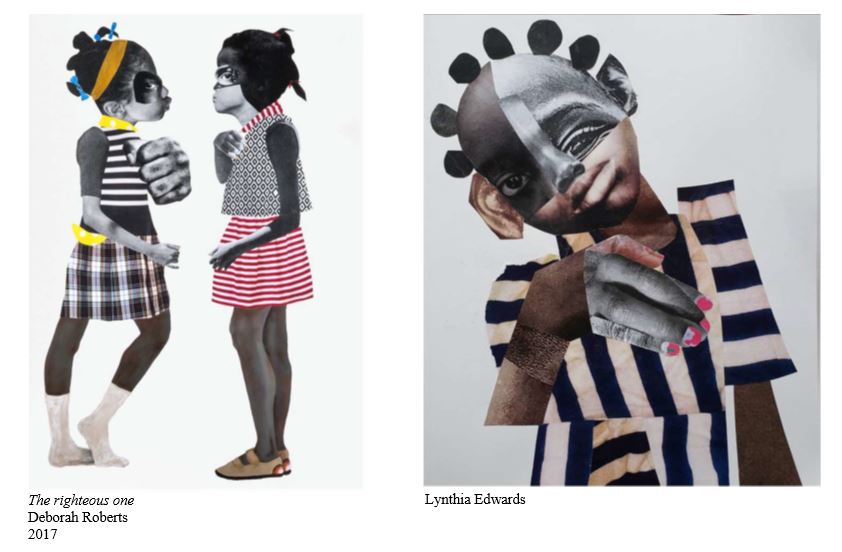
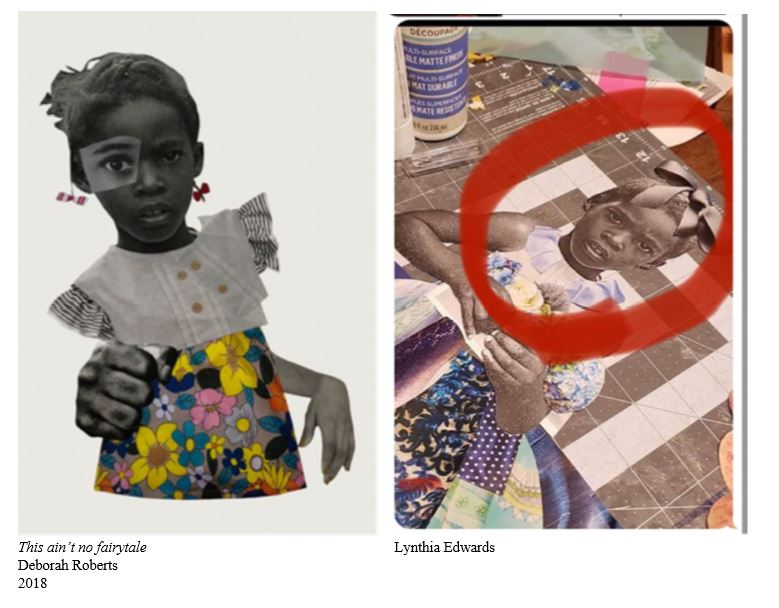
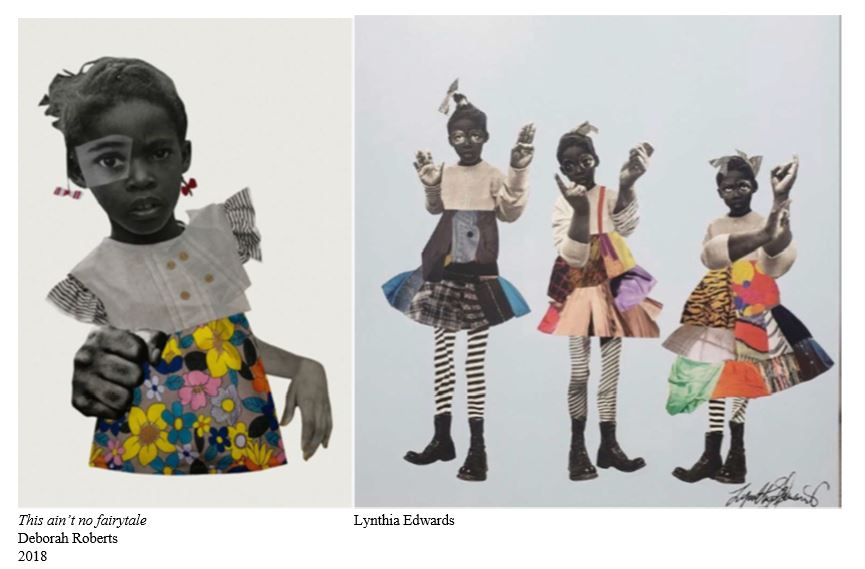
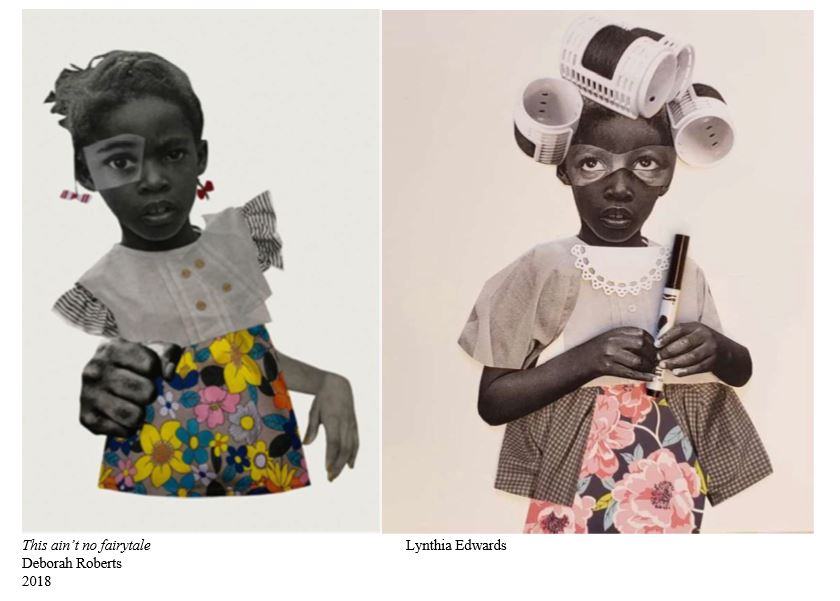
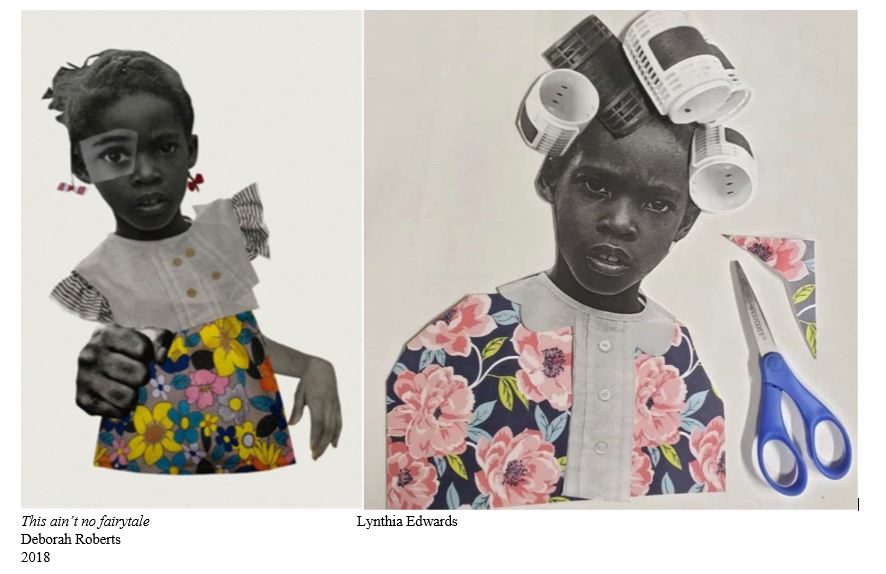
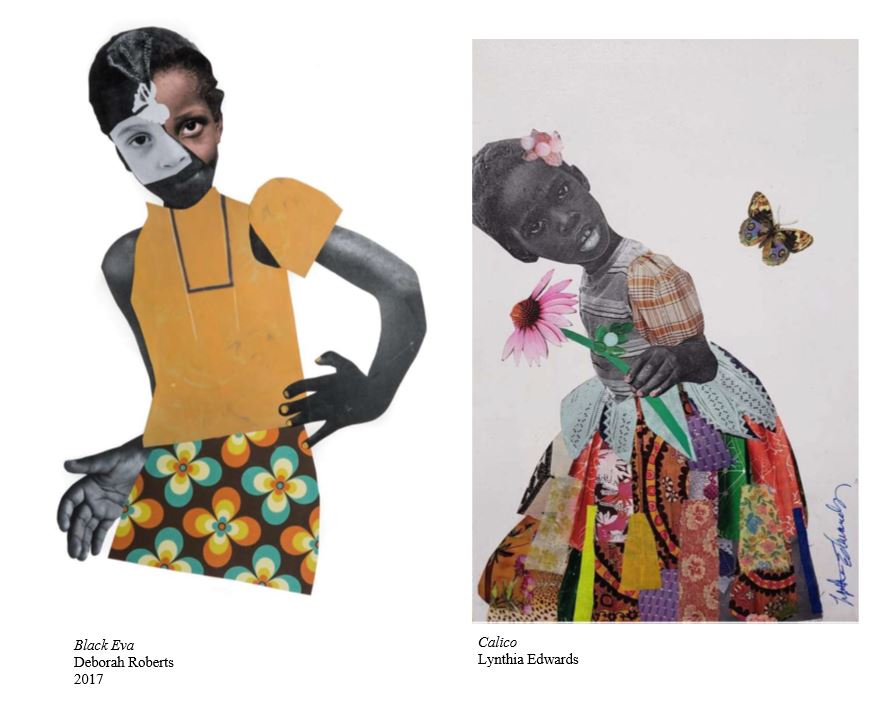
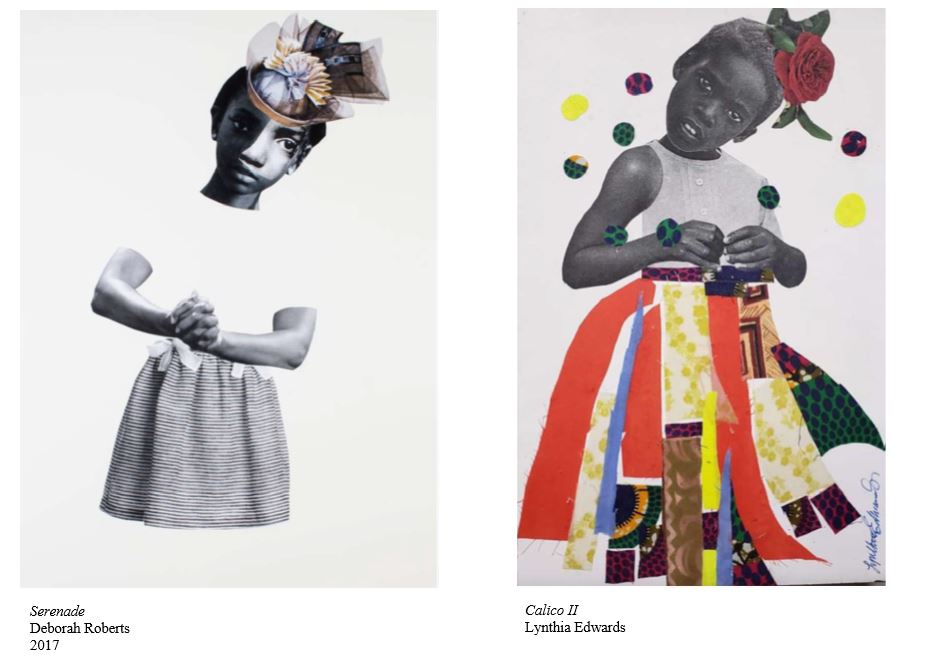
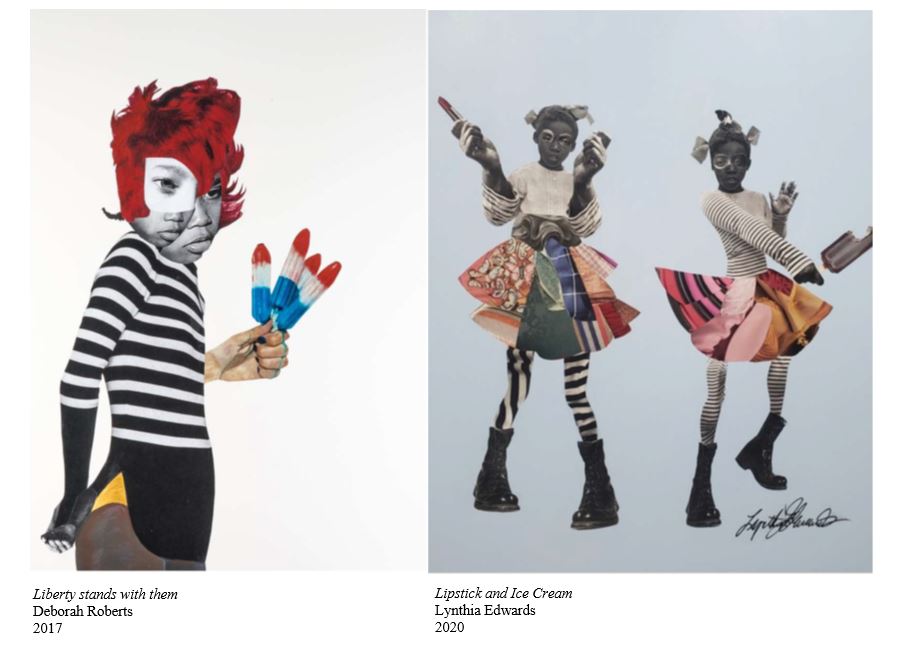
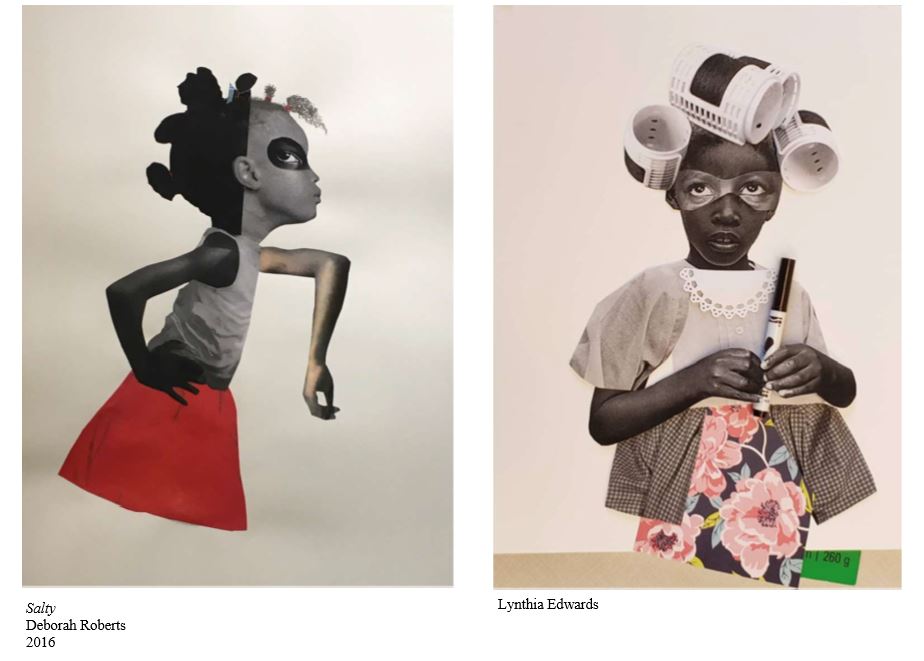
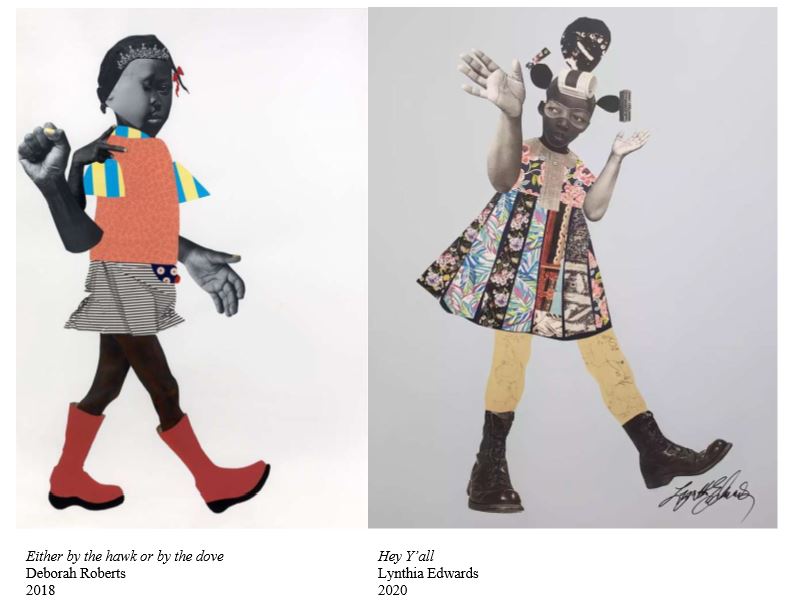
When a work incorporates unprotectable elements from the public domain, the Eastern District of New York applies the “more discerning observer” test which requires “substantial similarity between those elements, and only those elements, that provide copyrightability to the allegedly infringed work.” The district court evaluated whether the Beavers Gallery Collages were substantially similar to the protectable elements of Roberts’s work by comparing the “total concept and feel” of each pair. Conducting a side-by-side comparison of the paired collages, the district court determined that six of the pairs (Exhibits 4, 8, 9, 11, 13, and 15) had sufficiently similar total concept and feel to survive dismissal, where the remaining seven pairs (Exhibits 5-7, 10, 12, 14, and 16-18) were so dissimilar on their face that no reasonable jury could find them substantially similar.
In reaching this conclusion, the district court examined each pair of Roberts’s original work and the corresponding Beavers Gallery Collage. In Exhibit 4, the district court found that both collages portray a somber, adolescent Black subject with a tilted head, fragmented facial features, expressive hand gestures, black and off-white striped clothing, and a plain gray background; differences in hairstyle, and whether the full or partial body was depicted, were insufficient to overcome the overall similarity. In Exhibit 8, each collage depicts a forward-facing adolescent Black girl with an off-white patch covering her face, slightly open lips, expressive hands, a pleated neutral top with a floral bottom, and a gray background, with the similarity of the works’ “neutral, somber” feel overcoming differences in hair and color palette. In Exhibit 9, forward-facing subjects are posed with slightly open mouths, and both wear a pleated top with a floral design against a gray background, sharing a “serious and somber” feel that was sufficiently similar despite differences in facial expression, hairstyle, and the inclusion of blue scissors in the Beavers Gallery Collage. In Exhibit 11, nearly identical poses of both subjects with one hand raised, palm facing out, and prominently colored bows in the hair overcome differences in background, hair, and clothes. In Exhibit 13, similar hair accessories and striped shirts, posture, expressive faces, disconnected heads, and prominent hands with painted fingernails outweighed differences in background, hair style, and clothing. In Exhibit 15, the district court found the poses and arrangements closely aligned — both subjects forward-facing with heads and bodies tilted toward the right and their arms and hands positioned together, and alongside muted tops, patterned skirts, and hats, the collages shared the same “somber,” and “melancholy” feels despite differences in color.
The district court therefore denied the motion to dismiss the copyright claim as to six surviving Beavers Gallery Collages and granted it as to the rest. The case was settled, and the terms of the settlement have not been disclosed.